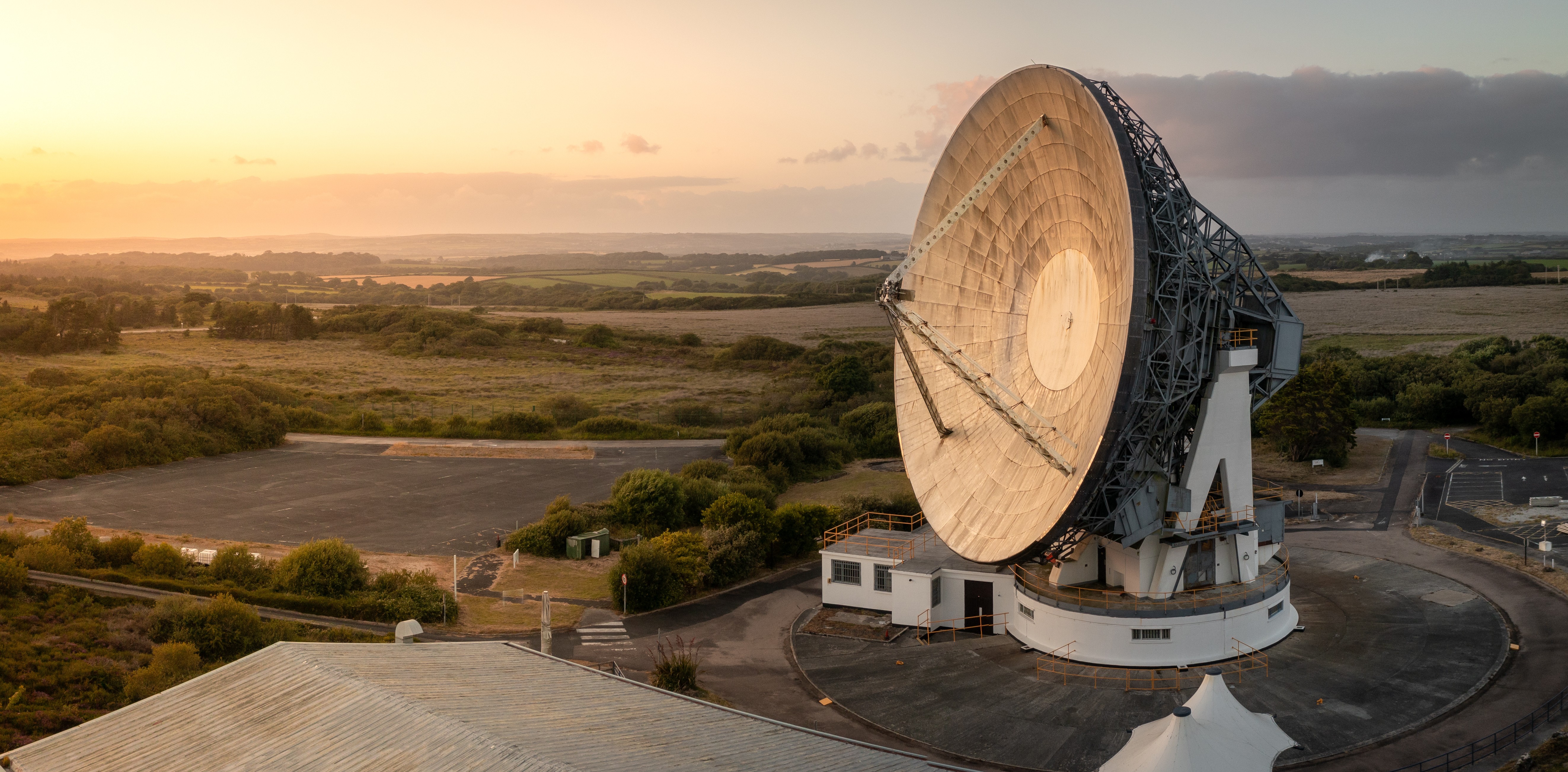
Some of the ecosystems we track are days from the nearest road. A researcher might reach a given site once or twice a year, if conditions allow. For places like this, the question was never whether to build a remote monitoring network. It was how to build one that could survive months of heat, humidity, and neglect without losing its signal.
Our current network pairs low power ground sensors with satellite relays, so data collected in places with no cellular coverage still makes it back to our servers within a day. Each sensor unit measures a handful of variables, temperature, humidity, sound, and in some deployments water quality, then transmits in short bursts timed to conserve battery.
Coverage Without a Crew
A single satellite pass cannot capture the detail a ground sensor can, and a ground sensor cannot see the scale a satellite covers in one orbit. Neither is enough on its own. Layering the two together lets us treat a remote valley almost the same way we would treat a site we visit every week, at least in terms of the data flowing out of it.
Acoustic sensors deserve a special mention here. By recording ambient sound and running it through species recognition models, we can track the presence of birds, insects, and mammals without a single camera trap or footprint survey. A shift in the dawn chorus, or the sudden absence of a call that used to be common, often tells us something is changing well before a visual survey would catch it.
Built to Be Forgotten
The best compliment a field sensor can receive is being forgotten. If a unit needs constant maintenance, it is not doing its job. Our current generation is built to run for a full season on solar power alone and to keep transmitting even if a fraction of the array goes offline.
That reliability is what makes a network like this worth the investment. It turns a place that used to generate one data point a year into a place that quietly reports on itself, day after day, whether or not anyone is there to see it happen.